Getting Your Baking Line Right with Infrared
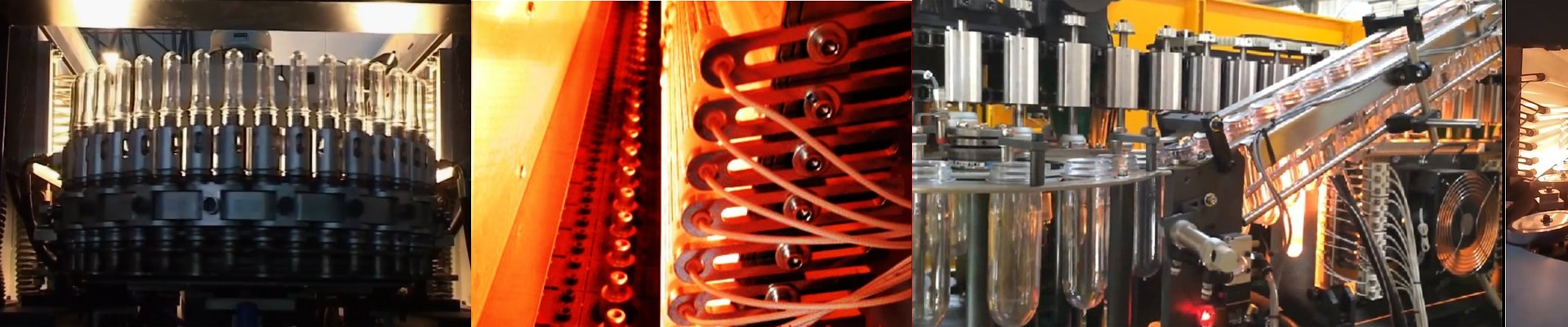
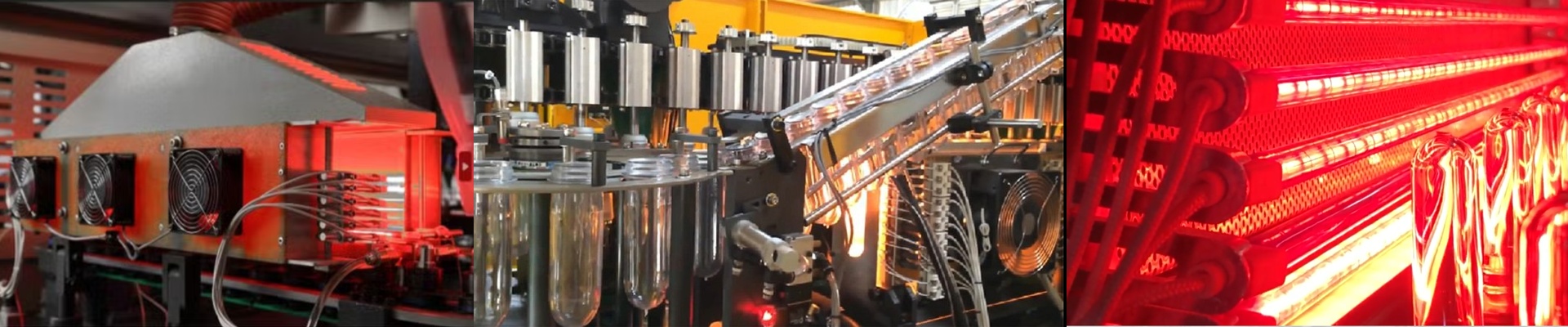
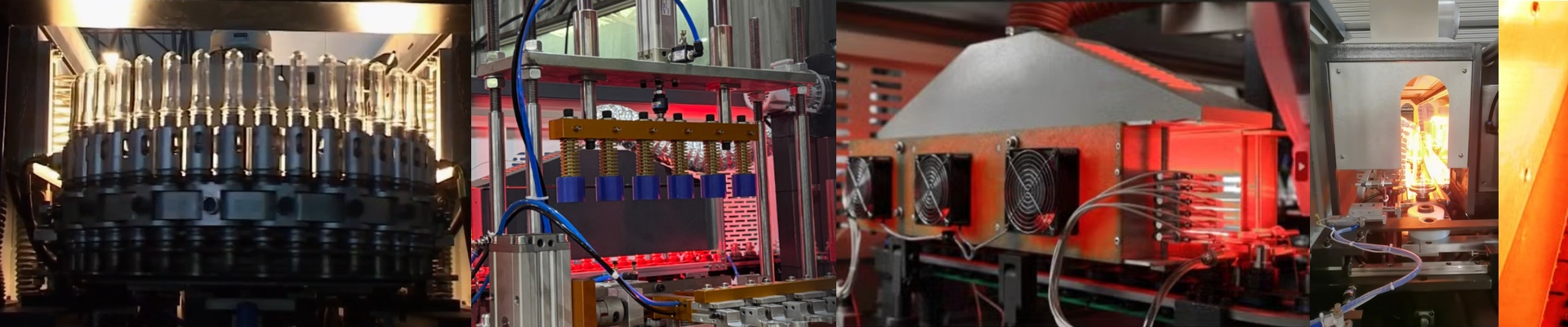
Most convection ovens just push hot air around. It works, sure, but it’s a bit blunt. When you bring infrared (IR) lamps into the mix, you stop guessing and start targeting. In a high-speed kitchen, these aren’t just lightbulbs—they’re the tools that keep your product from coming out ruined. The gear and how it reacts We stick with quartz-halogen lamps for one simple reason: they’re fast. Like, blink-and-you-miss-it fast. Traditional heating elements are sluggish; they take forever to warm up and even longer to cool down. But an IR lamp hits its target wattage in milliseconds. This is a lifesaver for your PID controller. If your conveyor belt hitches or slows down for a second, the system just drops the voltage. No burnt edges. No wasted batches. Just keep in mind that your wattage needs to match your line speed. More heat density is great, but if you don’t beef up your wiring and relays to handle that current, you’re just asking for a burnout. Making it fit your setup To get the lamps talking to the control system, we use SCRs or PWM. It’s the “brain” that tells the heat exactly what to do. We also don’t believe in one-size-fits-all. We’ll customize the length and voltage of the tubes to fit your specific oven. Why? Because nobody wants “cold spots” on the edges of the tray. It’s frustrating to pull out a tray where the middle is perfect but the corners are raw. Plus, we can add special coatings to the quartz. This tweaks the wavelength so the heat actually sinks into the dough instead of just searing the top and leaving the inside cold. The honest trade-offs Look, precision isn’t free. These high-intensity lamps get incredibly hot—especially at the sockets. If you forget to put a proper cooling fan in the electronics housing, your controllers will start to drift or just quit on you. And there’s the wear and tear. The more you cycle the power to keep that temperature window tight, the faster the filament wears out. It’s a balancing act between perfect crusts and how often you’ll be swapping out bulbs.