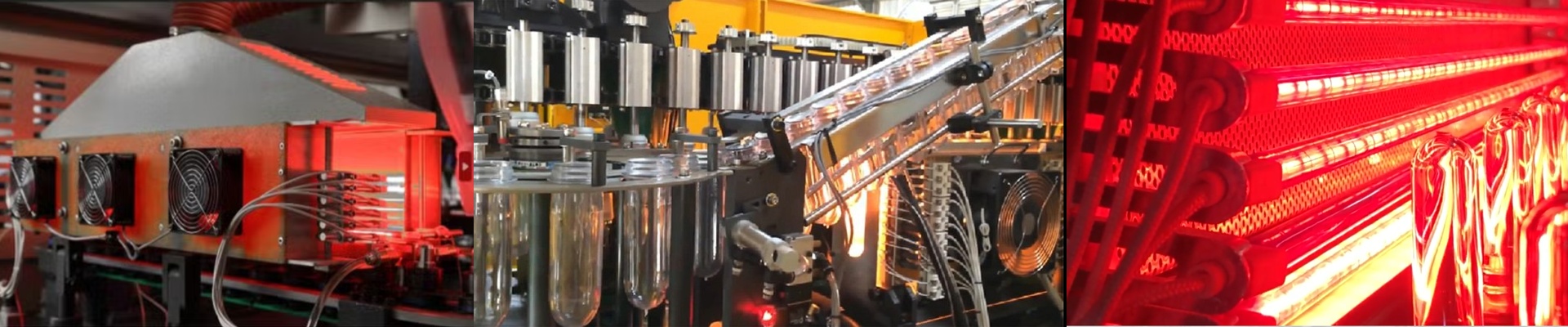
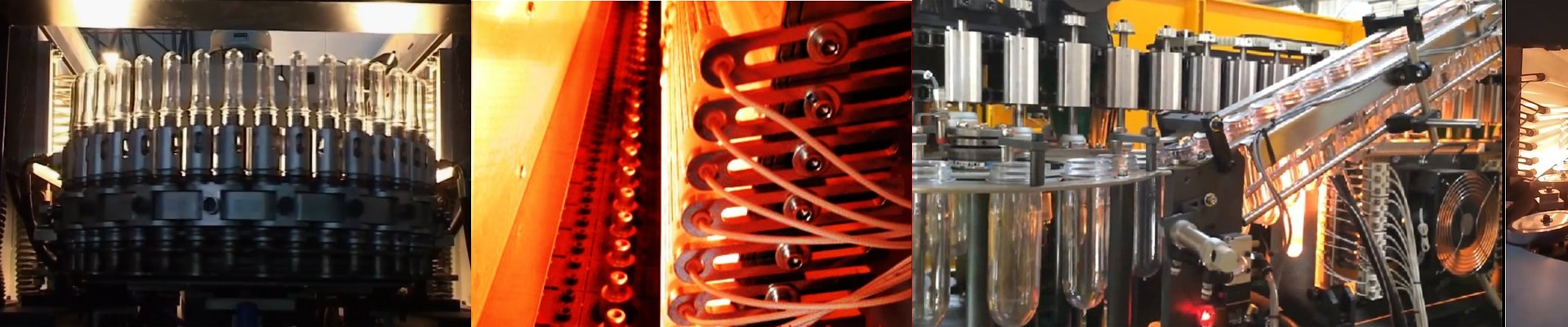
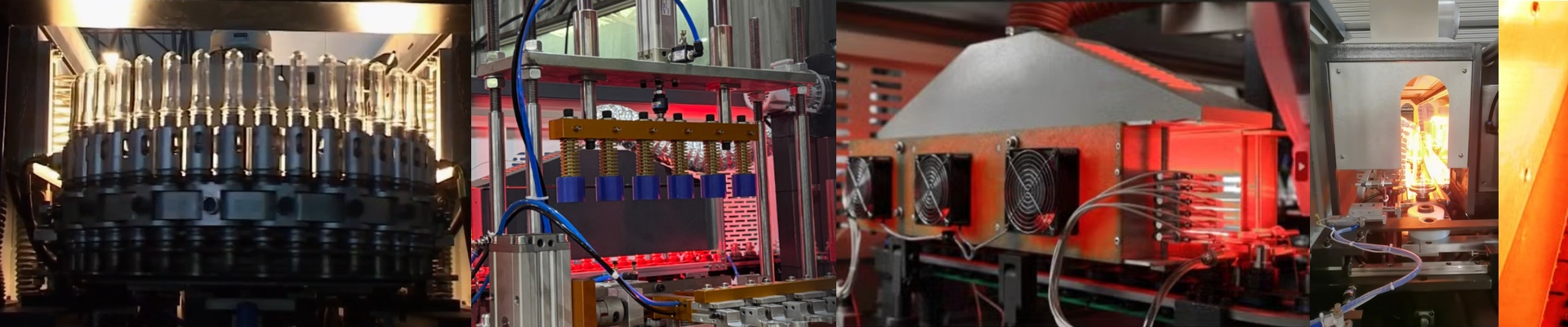
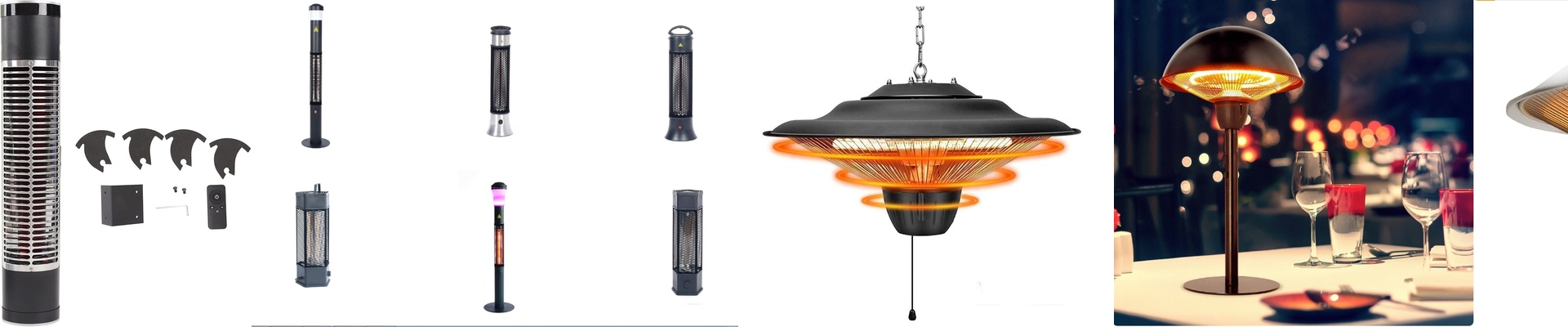
Ever deal with the headache of uneven heat in your steam ovens? It’s a nightmare. One corner is scorching, another is barely warm, and suddenly you’re staring at a pile of scrap that should have been a finished product. It’s frustrating, and it costs money. We’ve found a better way to handle this. Instead of sticking with those standard resistive coils, we use nichrome ceramic infrared heaters. It’s all about getting the thermal balance right. Here is why it actually works. Most heaters rely on convection. That basically means they just push hot air around, which is slow and, honestly, a bit unpredictable. Our ceramic setup is different. We embed nichrome wire inside a high-purity ceramic matrix, which turns electricity into short-wave infrared radiation. The heat doesn’t just drift through the air. It hits your product directly. It’s fast. Really fast. And because the heat penetrates deep and evenly, you don’t get those annoying temperature swings across your load. As for the materials, we use nichrome (NiCr) because it doesn’t flake apart or oxidize when things get hot and steamy. The ceramic housing does the heavy lifting here—it acts as a thermal mass that absorbs the shocks and spikes that usually burn out thinner elements. We can tune these to handle high wattage without the shell cracking, depending on what your power setup looks like. But the real trick to killing those “cold spots” is how we arrange them. We set these heaters up in zones. This means you can actually tweak the heat in specific parts of the oven. For example, you can crank up the power near the doors to make up for the heat that leaks out every time someone opens them. Just a couple of things to keep in mind. Since infrared heating is so dense, it pulls more from your power supply. If you’re pushing for the fastest cycle times possible, just double-check that your wiring and contactors can handle the continuous draw. Also, be careful with “thermal shock.” If you splash ice-cold water onto a red-hot element, the ceramic will probably crack. Just manage your cool-down cycles and you’ll be fine.